In Australia’s agricultural and seafood industries, packaging efficiency directly impacts product quality and market value. One of the most widely used solutions is stockinette bags, which provide breathable, stretchable containment for produce such as onions, citrus fruits, shellfish, and firewood bundles.
Understanding how these bags are crafted reveals a precise industrial process combining polymer science, textile engineering, and quality control systems designed for harsh transport conditions and long-distance export routes typical of Australia’s supply chains.
Raw Materials and Yarn Preparation
The manufacturing process begins with selecting raw materials, typically high-density polyethylene (HDPE) or polypropylene (PP). These polymers are chosen for their durability, flexibility, and moisture resistance—critical for Australia’s varied climate, ranging from tropical humidity in Queensland to dry inland environments in Western Australia and South Australia.
The polymers are melted and extruded into continuous filaments through fine spinnerets. These filaments are rapidly cooled, then stretched in a controlled drawing process to improve molecular alignment. This step significantly increases tensile strength while maintaining elasticity, which is essential for packaging goods that may shift during transport.
At this stage, manufacturers may also incorporate UV stabilisers and anti-oxidation additives. These enhancements are particularly important in Australia, where high solar exposure can degrade untreated plastics over time, especially in outdoor storage yards and open freight depots.
Knitting Process and Tubular Formation
Once the yarn is prepared, it is fed into circular warp-knitting machines designed for high-speed, continuous production. These machines interlock loops of filament to form a flexible tubular mesh structure. The result is a lightweight yet resilient netting that can expand under pressure without breaking.
This knitted structure is the defining feature of stockinette production. Unlike woven materials, which rely on rigid intersections, the knitted loops allow multidirectional elasticity. This is particularly useful for irregularly shaped produce commonly found in Australian agriculture, such as citrus fruit from Riverina orchards or root vegetables from Victorian farms.
Machine calibration is critical at this stage. Tension settings, loop density, and yarn feed rates are carefully controlled to ensure consistent mesh size and strength. Even small deviations can affect load-bearing capacity and ventilation performance.
Cutting, Finishing, and Sizing
After knitting, the continuous tube is cut into standardised lengths depending on end-use requirements. Automated cutting systems ensure precision and reduce material waste. The open end is typically secured using heat sealing or ultrasonic welding, depending on the production line configuration.
Manufacturers in Australia often produce a wide range of sizes—from small retail packs used in supermarket produce sections to large bulk sacks used in wholesale distribution centres and export facilities. Some variations include reinforced stitching or integrated drawstring closures for easier handling.
Colour coding is also frequently introduced at this stage. Different colours may indicate produce type, weight class, or farm origin, supporting traceability systems that are increasingly important in Australian supply chain management.
Applications Across Australian Industries
In practice, these mesh packaging products serve multiple industries nationwide. In agriculture, they are widely used for onions from South Australia, potatoes from Tasmania, and citrus from New South Wales. Their breathable structure helps reduce moisture buildup, minimising spoilage during storage and transport.
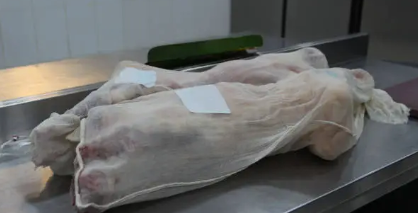
In the seafood sector, coastal processors in regions such as Western Australia and Queensland use them for shellfish like mussels and crabs, where maintaining airflow is essential for freshness control. Industrial users also rely on them for bundling firewood, recycling materials, and organising hardware components in logistics hubs.
At this stage of distribution, stockinette bags play a crucial role in balancing durability with ventilation. Their ability to stretch under load while maintaining structural integrity makes them a preferred packaging option in both domestic supply chains and export markets.
Quality Control and Australian Standards
Quality assurance is embedded throughout production. Each batch undergoes tensile strength testing, elongation checks, and mesh uniformity inspection. These tests ensure that the material can withstand stacking pressure in warehouses and vibration during long-haul freight transport across Australia’s vast road and rail networks.
Compliance with packaging safety standards is essential for both domestic retail and international export. Manufacturers also monitor batch consistency to ensure uniform airflow performance, which directly affects product freshness and shelf life.
Sustainability and Manufacturing Innovation
Sustainability is increasingly shaping the evolution of packaging production in Australia. Many manufacturers are transitioning toward recycled HDPE inputs and closed-loop recycling systems. These systems reprocess production scrap into usable feedstock, reducing environmental impact while maintaining performance standards.
There is also growing interest in biodegradable or bio-based alternatives, although performance requirements for heavy-duty agricultural logistics still favour engineered plastics in many applications. Automation upgrades, including real-time tension monitoring and defect detection systems, are also improving production efficiency and reducing material waste.
Comparative Advantages in Packaging Systems
Compared with rigid sacks or non-ventilated plastic bags, knitted mesh packaging offers distinct advantages. It reduces condensation buildup, allows airflow, and provides flexibility under varying load conditions. These features are particularly valuable in Australia’s export-oriented agriculture sector, where produce may travel thousands of kilometres before reaching international markets.
The adaptability of these packaging systems also supports multi-sector use, reducing the need for multiple packaging formats across supply chains.
Conclusion
The production of knitted mesh packaging reflects a sophisticated blend of material engineering and industrial precision tailored to Australia’s agricultural and logistics needs. From polymer extrusion to high-speed knitting and stringent quality control, each stage contributes to a reliable packaging solution designed for durability, ventilation, and efficiency.
As sustainability pressures and export demands continue to grow, innovation in this sector will remain essential. Improved materials, smarter manufacturing systems, and recycling integration will ensure that these packaging solutions continue to support Australia’s food and industrial supply chains well into the future.