Working in South Australia’s wine industry can be physically demanding. From pruning vines in the Barossa Valley to harvesting grapes in McLaren Vale, vineyard workers often perform repetitive movements, lift equipment, bend for long periods, and spend hours on their feet. Over time, these demands can contribute to muscle fatigue, repetitive strain and persistent back pain.
For workers living in or around Adelaide, physio can provide practical strategies to manage work-related injuries and improve physical function. With the right treatment and exercise plan, wine industry workers can address existing problems while reducing the risk of future injuries.
Common Physical Challenges for Vineyard Workers
Vineyard work involves many tasks that repeatedly stress the muscles and joints. The combination of manual labour, awkward postures and long working days can make relatively minor aches progressively worse.
Common issues include:
● Lower back pain from repeated bending and lifting
● Shoulder and neck strain from pruning and reaching
● Wrist and elbow problems from repetitive hand movements
● Knee discomfort from squatting or kneeling
● Muscle strains caused by sudden lifting or overexertion
● General fatigue and reduced mobility
Workers travelling between Adelaide’s eastern suburbs and wine regions such as the Barossa Valley or McLaren Vale may also spend considerable time driving, which can add to stiffness after physically demanding shifts.
How Physio Can Help With Repetitive Strain
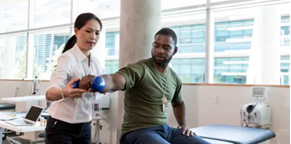
A physio assessment looks beyond the location of the pain. A practitioner can assess movement, strength, flexibility and work-related habits to identify factors that may be contributing to an injury.
Treatment may include manual therapy, mobility exercises, strengthening and advice about modifying certain tasks. The goal is not simply to reduce pain temporarily but to improve the body’s capacity to handle the physical demands of vineyard work.
Building Strength for Vineyard Tasks
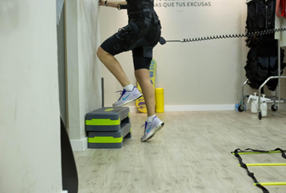
A tailored exercise program can help strengthen the muscles used during lifting, bending, carrying and prolonged standing. Stronger legs, hips and core muscles may provide better support during repetitive tasks.
Select exercises based on the worker’s condition, fitness level, and job requirements, rather than following a generic routine found online.
Back Pain Rehabilitation for Wine Workers
Lower back pain can make everyday vineyard tasks difficult, particularly when workers repeatedly bend, twist or carry loads. Ignoring persistent symptoms can also make it harder to maintain normal work and recreational activities.
Back pain rehabilitation typically focuses on gradually restoring movement, strength and confidence. Depending on the assessment, this may involve:
1. Improving spinal and hip mobility.
2. Strengthening the core, glutes and legs.
3. Practising safe lifting and movement techniques.
4. Gradually increasing tolerance for work-specific activities.
5. Developing strategies to manage symptoms during demanding work periods.
The rehabilitation process should be progressive. Returning to heavy tasks too quickly can aggravate an injury, while avoiding movement completely may contribute to deconditioning.
The Role of Occupational Physio
Occupational physio is particularly relevant for workers whose symptoms are closely connected to their job. Instead of treating work and symptoms separately, occupational-focused care considers the movements, tools, workload, and physical environment involved in the worker’s role.
For a vineyard worker, this could include reviewing lifting techniques, repetitive movements, working posture and ways to pace physically demanding tasks. These strategies can be especially useful during busy periods such as pruning and harvesting.
Why Local Support Matters for Magill Workers
Living in Magill gives you access to Adelaide’s eastern suburbs while staying within reach of South Australia’s major wine regions. For workers who regularly travel to vineyards, having a practical rehabilitation plan can help them manage the physical demands of work alongside their normal lifestyle.
A physio can also help identify when pain warrants further medical assessment, particularly when symptoms are severe, persistent, or associated with significant weakness, numbness, or other concerning changes.
Protect Your Back Before Pain Becomes a Bigger Problem
Wine industry work requires strength, mobility and endurance. Small changes to lifting technique, conditioning and recovery can make a meaningful difference when applied consistently.
If repetitive strain or lower back pain is affecting your ability to work, exercise or enjoy life outside the vineyard, consider speaking with a qualified physio in Magill. Early assessment and appropriate back pain rehabilitation can help you return to your usual activities with greater confidence and a clearer plan for managing future physical demands.
—
Frequently Asked Questions
1. Can physio help vineyard workers with lower back pain?
Yes. A physio can assess the underlying factors contributing to back pain and develop an individualised treatment and exercise program.
2. What is occupational physio?
Occupational physio focuses on work-related physical problems. It may include movement assessment, rehabilitation, workplace strategies and advice for safely managing job demands.
3. What causes repetitive strain in vineyard workers?
Repeated bending, pruning, lifting, carrying, gripping and awkward postures can place ongoing stress on muscles, tendons and joints.
4. How long does back pain rehabilitation take?
Recovery time varies depending on the injury, its severity, overall health and work demands. A physio can provide a more appropriate timeframe after assessment.
5. When should I see a physio for work-related pain?
Consider an assessment when pain persists, recurs, limits movement, or interferes with work and daily activities. Seek prompt medical assessment for severe or concerning symptoms.