
Month: June 2026

Outdoor Umbrella Benefits for Auckland Homes’ Protection from UV Exposure and Seasonal Rain

outdoor umbrella

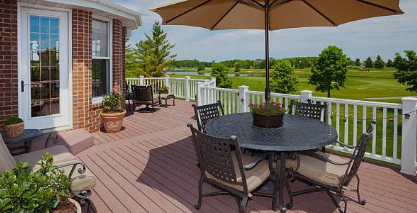
Auckland’s outdoor lifestyle is one of the many reasons residents love living in New Zealand’s largest city. From entertaining guests on the deck to enjoying family meals in the backyard, outdoor spaces play an important role in everyday life. However, Auckland’s climate presents unique challenges, including high UV levels during summer and sudden seasonal rain year-round. Investing in a quality outdoor umbrella is one of the simplest and most effective ways to protect outdoor living areas while enhancing comfort and usability.

Whether you have a compact patio, a spacious deck, or a poolside entertainment area, the right umbrella can provide year-round protection and help you make the most of your outdoor space.

Why Auckland Homeowners Need Outdoor Weather Protection

Auckland experiences a temperate climate, but the weather can change quickly. Sunny mornings can give way to rainy afternoons, and UV levels are often higher than many people expect. New Zealand consistently records some of the highest UV index readings in the world, making shade an essential feature for any outdoor area.

An outdoor umbrella creates a protective barrier that helps shield people, furniture, and outdoor surfaces from environmental exposure. This added layer of protection can significantly improve the comfort and longevity of outdoor spaces.

Protection from Auckland’s Strong UV Exposure

One of the biggest advantages of an outdoor umbrella is its ability to reduce direct exposure to harmful ultraviolet rays.

Creates Comfortable Shade

During Auckland’s warmer months, outdoor surfaces can become extremely hot when exposed to direct sunlight. Umbrellas provide immediate shade over seating areas, dining tables, and lounging spaces, helping to maintain a cooler, more comfortable environment.

This makes outdoor entertaining more enjoyable, especially during midday hours when UV levels are at their peak.

Helps Protect Skin

Extended exposure to UV radiation can increase the risk of sun damage. While sunscreen remains important, creating shaded outdoor zones provides an additional layer of protection for family members and guests.

Large cantilever and centre-pole umbrellas can cover substantial areas, making them ideal for residential outdoor settings across Auckland.

Preserves Outdoor Furniture

Continuous sunlight can cause outdoor furniture, cushions, timber decking, and decorative accessories to fade over time. By limiting direct sun exposure, an umbrella helps preserve the appearance and condition of outdoor furnishings.

This can reduce replacement costs and help homeowners maintain an attractive outdoor entertaining area for longer.

Reliable Shelter During Seasonal Rain

Auckland residents are familiar with unexpected rain showers. Having a flexible weather-protection solution can significantly increase the frequency of use of outdoor spaces.

Extends Outdoor Living Time

A quality umbrella allows homeowners to continue enjoying their outdoor areas during light rain. Whether hosting a barbecue or relaxing with a coffee, covered spaces remain functional when weather conditions become less predictable.

This added versatility means outdoor entertaining does not always need to move indoors when rain arrives.

Protects Outdoor Surfaces

Rainwater can damage furniture, outdoor rugs, and decorative items when left exposed. An umbrella provides a protective cover that helps minimise exposure to moisture and reduces the need to move furniture before every shower.

For Auckland homes with premium outdoor setups, this protection can be especially valuable.

Enhancing Outdoor Comfort Throughout the Year

An outdoor umbrella does more than simply block sunlight and rain. It contributes to a more comfortable outdoor environment year-round.

Reduces Heat Build-Up

By creating shade, umbrellas help reduce heat accumulation on decks, patios, and paved areas. This can make outdoor spaces more inviting during summer while creating a cooler atmosphere for social gatherings.

Improves Outdoor Dining Experiences

Nothing disrupts an outdoor meal faster than harsh sunlight or a passing rain shower. Umbrellas provide consistent coverage over dining tables, allowing families and guests to enjoy meals in greater comfort.

This makes them a practical addition to both small courtyards and larger entertainment areas.

Supports Flexible Outdoor Design

Modern umbrellas are available in a wide variety of sizes, colours, and styles. Homeowners can choose designs that complement contemporary Auckland architecture while improving functionality.

Cantilever umbrellas, in particular, offer excellent flexibility because they provide shade without a central pole obstructing furniture placement.

Choosing the Right Umbrella for Auckland Conditions

Not all umbrellas are designed to withstand Auckland’s environmental conditions. Selecting a durable and weather-resistant model is essential for long-term performance.

Look for UV-Resistant Fabrics

High-quality canopy materials are specifically designed to block harmful UV rays while maintaining their colour and appearance over time.

Consider Wind Resistance

Auckland can experience strong coastal winds, especially in exposed suburbs. Choosing an umbrella with a sturdy frame and a stable base improves safety and durability.

Select the Appropriate Size

The umbrella should provide adequate coverage for the intended area without overwhelming the available space. Measuring your patio, deck, or outdoor dining zone beforehand can help ensure the best fit.

Increasing the Value of Outdoor Living Spaces

Outdoor living remains a major focus for Auckland homeowners. Functional and comfortable outdoor areas can enhance lifestyle enjoyment while enhancing overall property appeal.

An outdoor umbrella offers a relatively affordable way to upgrade outdoor spaces without undertaking major renovations. It provides practical protection from UV exposure and seasonal rain while creating a welcoming environment for relaxation and entertaining.

Conclusion

Auckland’s strong UV levels and changeable weather make outdoor protection an important consideration for homeowners. A well-designed outdoor umbrella provides valuable shade on sunny days, shelter during light rain, and enhanced comfort year-round.

From protecting outdoor furniture to creating more usable entertainment spaces, the benefits are both immediate and long-lasting. By choosing a quality umbrella suited to Auckland’s unique climate, homeowners can enjoy their outdoor areas more often while protecting their investment from the elements.


Wisdom Teeth Removal Adelaide’ Will Impacted Wisdom Teeth Ruin Your Straightened Teeth’

wisdom teeth removal Adelaide

If you have invested time and money into orthodontic treatment, it is natural to worry that your wisdom teeth could undo your results. Many Adelaide patients ask whether impacted wisdom teeth can shift teeth after braces or create new crowding. While wisdom teeth deserve attention, their relationship to tooth movement is more complex than many people realise.

Wisdom teeth extraction may be recommended when these teeth are impacted and cause pain, infection, decay, or damage to nearby teeth. However, removing them isn’t automatically necessary to keep teeth straight. Understanding the evidence can help you make a confident decision with your dentist or orthodontist.

Do Wisdom Teeth Cause Crowding in Adelaide?

One of the most common questions orthodontic patients ask is: do wisdom teeth cause crowding Adelaide dentists see in younger adults?

The short answer is that wisdom teeth are not considered the sole or primary cause of lower front-tooth crowding. Teeth can naturally change position throughout adulthood because of factors including jaw development, ageing, periodontal changes, and normal tooth movement.

Impacted wisdom teeth can, however, create local problems. A tooth that is trapped beneath the gum or against another tooth may contribute to inflammation, infection, decay or damage to the neighbouring molar.

For Adelaide patients, an examination and dental imaging can help determine whether a wisdom tooth is likely to cause problems or can safely be monitored.

What About Wisdom Teeth Post Braces?

Concerns about wisdom teeth post braces are understandable. After orthodontic treatment, teeth can move if you don’t wear retainers as directed, and some natural movement may occur over time.

This means that a change in tooth alignment after braces does not necessarily mean your wisdom teeth are responsible. Your orthodontist can assess your bite, retainers and tooth position to identify the likely cause.

When Is Wisdom Teeth Extraction Recommended?

Wisdom tooth surgery may be considered when an impacted or problematic tooth is associated with:

● Repeated gum infections around the wisdom tooth

● Significant pain or swelling

● Tooth decay that cannot be predictably treated

● Damage to the adjacent second molar

● Cysts or other abnormalities

● Insufficient space causing the tooth to remain impacted

The decision should be based on the individual tooth’s position, symptoms, risks, and long-term outlook, rather than on the assumption that every wisdom tooth needs removal.

Can Extraction Protect Your Orthodontic Results?

It is important to distinguish protecting orthodontic results from preventing crowding. Removing a wisdom tooth does not guarantee that your front teeth will remain perfectly aligned.

Your retainer remains one of the most important tools for maintaining your orthodontic result. If you notice new crowding after braces, your dentist or orthodontist can determine whether wisdom teeth, retainer compliance, natural tooth movement, or another factor is involved.

If your dental professional recommends wisdom teeth extraction, they should also discuss the procedure’s potential benefits and risks. Impacted lower wisdom teeth can sometimes sit close to the inferior alveolar nerve, making careful assessment and treatment planning especially important.

When Should Adelaide Patients Get Their Wisdom Teeth Checked?

If you have recently completed orthodontic treatment, regular dental reviews are a practical way to monitor your wisdom teeth’s development. Your dentist may recommend an X-ray when there is a clinical reason to investigate their position or potential complications.

Seek professional advice if you develop persistent pain, swelling, difficulty opening your mouth, unpleasant taste, recurrent gum inflammation or problems around a wisdom tooth.

Conclusion

Impacted wisdom teeth do not automatically ruin orthodontic results, nor are they considered the primary cause of adult dental crowding. Wisdom teeth extraction is generally considered when a tooth presents a current or foreseeable dental problem, rather than simply because you have had braces.

If you are concerned about changes to your smile after orthodontic treatment, book an assessment with a dentist or orthodontist in Adelaide. A clinical examination and appropriate imaging can help determine whether your wisdom teeth require treatment or simply monitoring.

—

Frequently Asked Questions

1. Can wisdom teeth make straight teeth crooked?

Wisdom teeth are not considered the main cause of front-tooth crowding. Natural tooth movement and other factors can contribute to alignment changes after orthodontic treatment.

2. Do I need wisdom teeth extraction after braces?

Not necessarily. Extraction may be recommended if wisdom teeth are impacted or associated with pain, infection, decay, damage or another dental problem.

3. Can wisdom teeth grow normally after braces?

Yes. Wisdom teeth can erupt normally after orthodontic treatment if there is sufficient space and no other complication.

4. Should I have my wisdom teeth removed to prevent crowding?

Routine removal solely to prevent future crowding is not automatically recommended. Your dentist or orthodontist should assess your individual circumstances.

5. What should I do if my teeth are moving after braces?

Continue wearing your retainer as instructed and arrange an assessment with your Adelaide dentist or orthodontist. They can determine why your teeth are shifting and whether your wisdom teeth are involved.

Physiotherapy Unley’ How a Local Physiotherapy Team in Unley Supports Faster Recovery and Better Movement

physiotherapy Unley

Finding the right care for pain, injury recovery, or mobility issues can significantly change your quality of life. In a growing suburban hub like Unley, South Australia, access to a skilled physiotherapy team is increasingly important for people dealing with sports injuries, workplace strains, post-surgical rehabilitation, or chronic pain conditions. A well-structured local clinic doesn’t just treat symptoms—it addresses the underlying causes of movement dysfunction.

When you engage with a professional physiotherapy team in Unley, you gain access to structured rehabilitation programs tailored to your body, lifestyle, and long-term health goals. This article explores how physiotherapy services in Unley support recovery, improve mobility, and help prevent future injuries through evidence-based treatment approaches.

The Role of a Physiotherapy Team in Injury Recovery

A modern physiotherapy team plays a critical role in diagnosing, treating, and managing musculoskeletal conditions. In Unley, physiotherapists often work with patients recovering from sports injuries, workplace incidents, or surgical procedures such as knee reconstructions or spinal operations.

The first stage of treatment typically involves a detailed assessment. This includes posture analysis, joint mobility testing, strength evaluation, and functional movement screening. Based on these findings, the physiotherapy team develops a personalised treatment plan that may include manual therapy, targeted exercises, dry needling, and guided rehabilitation.

One of the key advantages of working with a coordinated physiotherapy team is consistency of care. Rather than relying on a single practitioner, patients benefit from shared clinical knowledge, ensuring treatment plans are continuously refined based on progress and response to therapy.

In Unley, physiotherapy clinics often integrate modern rehabilitation tools such as resistance equipment, balance training systems, and real-time movement feedback to accelerate recovery outcomes.

Why Local Physiotherapy in Unley Matters for Long-Term Health

Access to a local physiotherapy team in Unley provides more than just convenience—it supports long-term health management. Patients recovering from injuries often require multiple sessions over weeks or months, making proximity an important factor in treatment adherence.

Local physiotherapists also understand the lifestyle demands of the Unley community, including office-based work patterns, recreational sports participation, and common postural issues associated with sedentary routines. This allows them to design more relevant and practical rehabilitation programs.

A physiotherapy team in this area often focuses on preventative care as well. Instead of waiting for injuries to occur, patients are guided through corrective exercise programs that target muscular imbalances, improve joint stability, and enhance overall movement efficiency.

For example, office workers experiencing neck or lower back pain may receive ergonomic advice combined with strengthening exercises to reduce strain. Athletes, on the other hand, may undergo sport-specific conditioning programs designed to reduce injury risk and improve performance longevity.

This proactive approach ensures that physiotherapy is not just reactive treatment but an ongoing investment in physical wellbeing.

Treatment Approaches Used by Physiotherapy Professionals in Unley

A high-performing physiotherapy team typically uses a combination of evidence-based treatment methods tailored to individual needs. In Unley clinics, this often includes both hands-on therapy and active rehabilitation strategies.

Manual therapy techniques such as joint mobilisation and soft tissue massage are commonly used to reduce pain and improve mobility. These methods are particularly effective in the early stages of recovery when inflammation and stiffness are present.

As patients progress, the focus shifts toward active rehabilitation. This includes strength training, balance exercises, and functional movement retraining. The goal is to restore full movement capacity and prevent recurrence of injury.

Hydrotherapy and low-impact conditioning may also be introduced for patients recovering from more severe conditions, allowing them to rebuild strength without excessive joint stress.

Importantly, a physiotherapy team ensures that each stage of recovery is monitored closely. Adjustments are made based on patient progress, ensuring that rehabilitation remains both safe and effective.

Choosing the Right Physiotherapy Team in Unley

Selecting the right physiotherapy provider can significantly influence recovery outcomes. In Unley, patients are encouraged to look for clinics that offer a multidisciplinary approach, combining expertise in sports physiotherapy, rehabilitation, and chronic pain management.

Experience and qualifications are key indicators of quality care. A strong physiotherapy team should demonstrate up-to-date clinical knowledge and a commitment to ongoing professional development.

Communication is equally important. Effective physiotherapists take time to explain diagnoses, treatment options, and expected recovery timelines. This transparency helps patients stay engaged and motivated throughout their rehabilitation journey.

Another important factor is treatment personalisation. No two injuries are identical, and a good physiotherapy team will tailor every program to suit individual goals, whether that involves returning to sport, improving workplace comfort, or maintaining long-term mobility.

The Future of Physiotherapy Care in Unley

Physiotherapy in Unley continues to evolve with advancements in rehabilitation science and technology. Modern clinics are increasingly integrating digital movement analysis, telehealth consultations, and data-driven progress tracking to enhance patient outcomes.

This shift allows physiotherapy teams to deliver more precise and efficient care while maintaining strong patient relationships. As awareness of physical health and injury prevention grows, demand for high-quality physiotherapy services in Unley is expected to increase.

Ultimately, the role of physiotherapy is expanding beyond injury recovery into lifelong movement optimisation. With the right physiotherapy team, individuals in Unley can expect not only to recover from injuries but also to improve their overall physical resilience and quality of life.

Baling Twine’ A Practical Guide for Australian Farmers

baling twine

The right product should provide dependable knot strength, consistent tension and enough durability to keep bales secure from the paddock through to storage. Understanding the different types of twine, their applications and what to look for when buying can help reduce handling problems and protect the value of every bale.

Choosing the right baling twine can make a noticeable difference in how hay and straw bales are produced, handled, stored, and transported. For Australian farmers, contractors and livestock producers, twine needs to cope with demanding baling conditions, from dry inland paddocks to variable weather across southern and eastern farming regions.

What Is Baling Twine?

Baling twine is a strong synthetic or natural fibre material used to hold compressed hay, straw and other agricultural materials together after they pass through a baler. It is designed to withstand the pressure created during baling while remaining flexible enough to knot reliably.

Most modern products used in Australian agriculture are made from polypropylene, a lightweight synthetic material that offers good strength and moisture resistance. Sisal twine, made from natural plant fibre, is another option and has traditionally been used for hay baling.

The best choice depends on the type of baler, bale size, crop, storage conditions and handling requirements.

Why Quality Baling Twine Matters

A bale is only useful if it stays intact. Poor-quality or incorrectly selected twine can snap during baling, loosen during transport or fail when bales are stacked and moved.

Quality twine provides several practical benefits:

● Reliable knot strength: Helps prevent broken ties during baling and handling.

● Consistent diameter: Supports smooth feeding through baler systems.

● Good tensile strength: Keeps tightly compressed bales secure.

● Weather resistance: Helps protect bales during outdoor storage.

● Efficient application: Reduces interruptions caused by snapped or poorly formed twine.

For Australian operations, durability is particularly important when bales may be exposed to strong sunlight, heat, dust or changing weather conditions.

Choosing the Right Baling Twine

Not every bale requires the same twine. Before purchasing, consider the equipment and conditions in which the product will be used.

Match Twine to Your Baler

Check the manufacturer’s specifications for the recommended twine size and strength. Round balers, small square balers and large square balers can have different requirements.

Using twine that is too weak may result in breakage, while an unsuitable thickness can affect feeding and knotting performance. The goal is to select a product that works reliably with the baler’s twine system.

Consider Bale Density and Crop

Dense bales place more tension on the material holding them together. Heavy crops and tightly compressed hay may therefore require stronger twine than lighter, loosely formed bales.

Think about the crop being baled, target bale density and how much handling the finished bales will receive before choosing a product.

Consider Storage Conditions

Where you store bales can also influence your choice. Bales kept outside need protection from environmental exposure, while those stored under cover face fewer weather-related stresses.

For outdoor storage, choose durable baling materials with good resistance to sunlight and moisture to help maintain bale integrity.

Polypropylene vs Sisal Twine

Polypropylene is widely used because it is lightweight, strong, and moisture-resistant. It is also consistent in size, which can support reliable performance in modern baling equipment.

Sisal is a natural fibre alternative valued for its traditional agricultural applications. However, natural fibres can behave differently under varying moisture and storage conditions, so farmers should consider the intended application before switching products.

Neither option is automatically right for every farm. Select baling twine based on the baler’s requirements, the crop, and expected storage and handling conditions.

Tips for Better Baling Performance

Even high-quality twine can perform poorly if the baler isn’t adjusted correctly. Regular maintenance and correct machine settings are essential.

Before the season begins:

1. Inspect the twine delivery system and knotter components.

2. Check that twine is feeding smoothly from the spool.

3. Follow the baler manufacturer’s tension recommendations.

4. Replace worn or damaged components that could affect knotting.

5. Store unused twine in a dry, protected place away from direct sunlight.

It is also worth checking completed bales during the first part of a baling run. Look for loose ties, inconsistent tension or damaged twine before continuing with a large paddock.

Buying Baling Twine in Australia

When purchasing agricultural twine, price should not be the only consideration. A cheaper product can become expensive if it causes frequent breaks, wasted material or downtime during a busy harvest period.

Look for a supplier that provides clear product specifications, including twine length, thickness, breaking strength, and recommended applications. Choosing the right product for your baler and operating conditions is generally more important than simply selecting the lowest-cost spool.

Conclusion

The right baling twine helps keep hay and straw bales secure through baling, transport, stacking and storage. Australian farmers should consider twine strength, material, baler compatibility, crop type and storage conditions before making a purchase.

Whether you operate a small farm or manage large-scale hay production, choosing dependable agricultural twine can support smoother baling and fewer avoidable interruptions. Speak with a reputable Australian agricultural supplier to find a twine product suited to your baler and specific farming requirements.

Frequently Asked Questions

1. What is baling twine used for?

Baling twine secures compressed hay, straw, and other agricultural materials after they are formed into bales. It helps maintain bale shape during handling, transport and storage.

2. What is the best material for baling twine?

Polypropylene is a popular choice because it combines strength, low weight and moisture resistance. Sisal is a natural fibre alternative that may suit specific farming applications.

3. How do I choose the right baling twine?

Consider your baler manufacturer’s specifications, crop type, bale density and storage conditions. Twine should be strong enough for the finished bale and compatible with the machine’s feeding and knotting system.

4. Can baling twine be stored outside?

Unused twine should be stored in a dry, protected location. Excessive exposure to sunlight and weather can affect some materials over time, so follow the supplier’s storage recommendations.

5. Why does baling twine keep breaking?

Breakage can result from unsuitable twine strength, excessive tension, incorrect baler settings, worn knotter components or problems with twine feeding. Checking both the twine and baler setup can help identify the cause.

If you want, I can also adapt this into a more commercial, product-focused version designed specifically for an Australian agricultural supplier’s website.

Arborist Adelaide Hills’ Why Professional Arborist Services Protect Your Trees and Property

arborist Adelaide Hills

The Adelaide Hills are renowned for their stunning landscapes, mature trees, and lush gardens that add beauty and value to residential and commercial properties. However, maintaining healthy trees requires more than occasional pruning. Investing in an arborist services helps protect your trees, improve safety, and preserve the natural character of your outdoor spaces. Whether you own a rural property, a suburban home, or a commercial site, working with a qualified Adelaide Hills arborist ensures your trees receive expert care year-round.

Why Tree Care Is Essential in the Adelaide Hills

The Adelaide Hills experiences varied weather, from hot, dry summers to wet winters and strong winds. These environmental factors can affect tree health and structural stability. Without regular maintenance, trees may develop diseased branches, unstable limbs, or excessive growth, posing risks to nearby buildings, vehicles, and power lines.

Professional tree care helps identify potential issues before they become expensive problems. Routine inspections also improve tree longevity while maintaining your property’s appearance and safety.

What Arborist Services Typically Include

Qualified arborists provide comprehensive solutions tailored to different tree species and property types. Common services include:

Tree Pruning

Pruning removes dead, diseased, or overcrowded branches while encouraging healthy growth. Proper pruning improves airflow, increases sunlight penetration, and reduces the likelihood of branch failure during storms.

Tree Removal

When a tree becomes hazardous, diseased beyond recovery, or interferes with construction projects, safe removal may be necessary. Professional arborists use specialised equipment to remove trees efficiently while protecting surrounding structures and landscaping.

Stump Grinding

After tree removal, leftover stumps can become obstacles and attract pests. Stump grinding eliminates these hazards and lets you replant or landscape the area without difficulty.

Tree Health Assessments

Regular inspections identify signs of disease, pest infestations, nutrient deficiencies, or structural weaknesses. Early diagnosis lets you treat problems before they cause significant damage.

These arborist services help keep trees healthier while reducing safety risks across residential and commercial properties.

Signs Your Trees Need Professional Attention

Many property owners overlook early warning signs until major issues develop. Scheduling an inspection becomes especially important if you notice:

● Dead or hanging branches

● Cracks or splits in the trunk

● Leaning trees after storms

● Mushrooms growing around the tree base

● Sparse foliage or discoloured leaves

● Branches touching roofs or power lines

● Evidence of termites or wood-boring insects

Prompt attention helps minimise property damage while, whenever possible, preserving valuable trees.

Benefits of Hiring a Qualified Arborist

Professional arborists bring extensive knowledge that goes far beyond basic tree trimming. Their expertise ensures every tree receives the appropriate care based on species, age, health, and surrounding conditions.

Some key advantages include:

Improved Property Safety

Weak or damaged branches can fall unexpectedly, especially during severe weather. Routine maintenance reduces hazards for family members, visitors, and neighbouring properties.

Healthier Trees

Proper pruning, disease management, and soil assessments promote stronger root systems and healthier growth year-round.

Increased Property Value

Well-maintained trees create attractive landscapes that improve kerb appeal and contribute to higher property values.

Compliance with Local Regulations

Certain trees may be protected under local council regulations. Experienced arborists understand relevant guidelines and can provide advice before pruning or removal work begins.

Choosing the Right Arborist in the Adelaide Hills

Not every tree contractor offers the same level of expertise. When selecting an arborist Adelaide Hills specialist, look for professionals who demonstrate experience, industry knowledge, and a commitment to safe work practices.

Consider the following factors:

● Appropriate qualifications and certifications

● Public liability insurance

● Modern equipment for safe tree work

● Positive customer reviews

● Transparent quotes without hidden costs

● Experience working with native and ornamental tree species

Choosing an experienced arborist provides confidence that every job will be completed safely and professionally.

Seasonal Tree Care Tips

Tree maintenance should change throughout the year to match seasonal conditions in South Australia.

Spring

Inspect trees for new growth, fertilise if necessary, and remove any winter-damaged branches.

Summer

Monitor trees for drought stress and ensure young trees get enough water during extended dry periods.

Autumn

Remove dead branches before winter storms and inspect trees for fungal growth or pest activity.

Winter

Dormant periods are often ideal for structural pruning, allowing arborists to improve tree shape while reducing stress.

Scheduling regular tree maintenance throughout the year keeps trees healthier and reduces emergency call-outs after severe weather.

Why Preventative Tree Care Saves Money

Many homeowners delay tree maintenance until a branch falls or a tree becomes dangerous. Unfortunately, emergency tree work often costs significantly more than scheduled maintenance.

Routine inspections help identify developing problems early, allowing for less invasive treatments. Preventative care also reduces the likelihood of costly property damage from falling branches or unstable trees.

Investing in regular arborist services is often the most cost-effective way to maintain both tree health and property safety in the long term.

Supporting the Natural Beauty of the Adelaide Hills

Trees are a defining feature of the Adelaide Hills landscape. They provide shade, improve biodiversity, reduce soil erosion, and create inviting outdoor spaces for families and communities alike. Caring for these valuable assets requires specialised knowledge that balances safety with long-term environmental health.

Whether you require routine pruning, complete tree removal, health assessments, or emergency storm damage assistance, working with an experienced arborist Adelaide Hills professional ensures your trees receive expert care tailored to local conditions.

By investing in professional maintenance and ongoing arborist services, property owners can enjoy healthier trees, safer outdoor environments, and landscapes that continue to thrive for generations to come.

Physio Magill’ Repetitive Strain & Lower Back Relief for Wine Industry Workers in SA

physio Magill

Working in South Australia’s wine industry can be physically demanding. From pruning vines in the Barossa Valley to harvesting grapes in McLaren Vale, vineyard workers often perform repetitive movements, lift equipment, bend for long periods, and spend hours on their feet. Over time, these demands can contribute to muscle fatigue, repetitive strain and persistent back pain.

For workers living in or around Adelaide, physio can provide practical strategies to manage work-related injuries and improve physical function. With the right treatment and exercise plan, wine industry workers can address existing problems while reducing the risk of future injuries.

Common Physical Challenges for Vineyard Workers

Vineyard work involves many tasks that repeatedly stress the muscles and joints. The combination of manual labour, awkward postures and long working days can make relatively minor aches progressively worse.

Common issues include:

● Lower back pain from repeated bending and lifting

● Shoulder and neck strain from pruning and reaching

● Wrist and elbow problems from repetitive hand movements

● Knee discomfort from squatting or kneeling

● Muscle strains caused by sudden lifting or overexertion

● General fatigue and reduced mobility

Workers travelling between Adelaide’s eastern suburbs and wine regions such as the Barossa Valley or McLaren Vale may also spend considerable time driving, which can add to stiffness after physically demanding shifts.

How Physio Can Help With Repetitive Strain

A physio assessment looks beyond the location of the pain. A practitioner can assess movement, strength, flexibility and work-related habits to identify factors that may be contributing to an injury.

Treatment may include manual therapy, mobility exercises, strengthening and advice about modifying certain tasks. The goal is not simply to reduce pain temporarily but to improve the body’s capacity to handle the physical demands of vineyard work.

Building Strength for Vineyard Tasks

A tailored exercise program can help strengthen the muscles used during lifting, bending, carrying and prolonged standing. Stronger legs, hips and core muscles may provide better support during repetitive tasks.

Select exercises based on the worker’s condition, fitness level, and job requirements, rather than following a generic routine found online.

Back Pain Rehabilitation for Wine Workers

Lower back pain can make everyday vineyard tasks difficult, particularly when workers repeatedly bend, twist or carry loads. Ignoring persistent symptoms can also make it harder to maintain normal work and recreational activities.

Back pain rehabilitation typically focuses on gradually restoring movement, strength and confidence. Depending on the assessment, this may involve:

1. Improving spinal and hip mobility.

2. Strengthening the core, glutes and legs.

3. Practising safe lifting and movement techniques.

4. Gradually increasing tolerance for work-specific activities.

5. Developing strategies to manage symptoms during demanding work periods.

The rehabilitation process should be progressive. Returning to heavy tasks too quickly can aggravate an injury, while avoiding movement completely may contribute to deconditioning.

The Role of Occupational Physio

Occupational physio is particularly relevant for workers whose symptoms are closely connected to their job. Instead of treating work and symptoms separately, occupational-focused care considers the movements, tools, workload, and physical environment involved in the worker’s role.

For a vineyard worker, this could include reviewing lifting techniques, repetitive movements, working posture and ways to pace physically demanding tasks. These strategies can be especially useful during busy periods such as pruning and harvesting.

Why Local Support Matters for Magill Workers

Living in Magill gives you access to Adelaide’s eastern suburbs while staying within reach of South Australia’s major wine regions. For workers who regularly travel to vineyards, having a practical rehabilitation plan can help them manage the physical demands of work alongside their normal lifestyle.

A physio can also help identify when pain warrants further medical assessment, particularly when symptoms are severe, persistent, or associated with significant weakness, numbness, or other concerning changes.

Protect Your Back Before Pain Becomes a Bigger Problem

Wine industry work requires strength, mobility and endurance. Small changes to lifting technique, conditioning and recovery can make a meaningful difference when applied consistently.

If repetitive strain or lower back pain is affecting your ability to work, exercise or enjoy life outside the vineyard, consider speaking with a qualified physio in Magill. Early assessment and appropriate back pain rehabilitation can help you return to your usual activities with greater confidence and a clearer plan for managing future physical demands.

—

Frequently Asked Questions

1. Can physio help vineyard workers with lower back pain?

Yes. A physio can assess the underlying factors contributing to back pain and develop an individualised treatment and exercise program.

2. What is occupational physio?

Occupational physio focuses on work-related physical problems. It may include movement assessment, rehabilitation, workplace strategies and advice for safely managing job demands.

3. What causes repetitive strain in vineyard workers?

Repeated bending, pruning, lifting, carrying, gripping and awkward postures can place ongoing stress on muscles, tendons and joints.

4. How long does back pain rehabilitation take?

Recovery time varies depending on the injury, its severity, overall health and work demands. A physio can provide a more appropriate timeframe after assessment.

5. When should I see a physio for work-related pain?

Consider an assessment when pain persists, recurs, limits movement, or interferes with work and daily activities. Seek prompt medical assessment for severe or concerning symptoms.

Electrical Fitouts Adelaide’ Complete Cost, Process, and Compliance Guide for Modern Businesses

banquette seating

If you are planning a commercial renovation, office upgrade, or retail expansion in South Australia, understanding how electrical fitouts work is critical before construction begins. In Adelaide’s growing business districts—from the CBD to suburban hubs like Glenelg and Norwood—business owners are increasingly investing in modern electrical infrastructure to support digital systems, energy efficiency, and workplace safety.

Electrical fitouts involve the complete design and installation of electrical systems tailored to a building’s operational needs. This includes lighting layouts, power distribution, data cabling, switchboards, emergency systems, and compliance upgrades. In Adelaide, these projects must also comply with South Australian building codes and Australian Standards, making proper planning essential to avoid delays and cost overruns.

This guide breaks down the cost factors, installation process, and compliance requirements for electrical fitouts in Adelaide so you can make informed decisions for your property or business.

Understanding Electrical Fitouts in Adelaide Commercial Spaces

Electrical fitouts vary significantly depending on the type of property and intended use. A retail store in Rundle Mall will have very different electrical requirements compared to a corporate office in Adelaide CBD or an industrial warehouse in Wingfield.

In Adelaide, commercial tenants often require both “base build” electrical works (provided by landlords) and “tenant fitouts” tailored to their operational needs. This distinction is important when budgeting, as tenant-specific electrical fitouts are typically more custom and cost-variable.

Local electricians also consider South Australia’s push toward energy efficiency. Many businesses now integrate smart lighting systems, motion sensors, and energy monitoring tools as part of their fitout strategy. This not only reduces long-term operational costs but also improves sustainability ratings for commercial properties.

Cost Factors That Influence Electrical Fitouts in Adelaide

Pricing for electrical work in Adelaide can vary widely depending on complexity, building type, and compliance requirements. On average, small office electrical fitouts may start from a few thousand dollars, while large commercial projects can reach tens of thousands.

Key cost drivers include:

1. Project Size and Layout Complexity

Larger floorplans require more wiring, circuits, and labour hours. Open-plan offices may be simpler than segmented retail or hospitality layouts.

2. Infrastructure Condition

Older Adelaide buildings, particularly heritage properties, often need significant rewiring or switchboard upgrades before modern systems can be installed.

3. Technology Requirements

Businesses integrating advanced systems—such as server rooms, security networks, or smart automation—will see higher costs due to specialised components.

4. Compliance and Safety Upgrades

South Australian regulations require strict adherence to Australian Standards for all electrical fitouts, including emergency lighting, RCD protection, and fire safety systems.

5. Labour and Scheduling

Urgent timelines or after-hours work can increase labour costs. Many Adelaide businesses choose staged installations to minimise disruption.

Understanding these variables helps business owners avoid underestimating budgets and ensures smoother project delivery from start to finish.

The Electrical Fitout Process: From Design to Completion

A professional electrical fitout in Adelaide follows a structured process designed to ensure safety, compliance, and efficiency.

Stage 1: Consultation and Site Assessment

Electricians assess the property’s current infrastructure, business needs, and regulatory requirements. This stage defines the scope of the electrical fitouts project.

Stage 2: Electrical Design Planning

Detailed schematics are created to outline circuit loads, lighting layouts, and power distribution. This step ensures the system is both functional and compliant.

Stage 3: Approval and Compliance Checks

Plans may need approval from building certifiers or landlords, especially in commercial tenancy arrangements across Adelaide.

Stage 4: Installation and Wiring

Licensed electricians complete all physical installations, including cabling, switchboards, and fixtures. Coordination with builders is often required in new developments.

Stage 5: Testing and Certification

Once installed, the system undergoes testing to ensure safety and compliance. Certificates of compliance are issued before occupancy.

Following this structured approach ensures that electrical fitouts are delivered safely and efficiently without unexpected delays or regulatory issues.

Why Compliance Matters for Adelaide Businesses

Compliance is one of the most critical aspects of any electrical project. In South Australia, all commercial installations must comply with the AS/NZS 3000 Wiring Rules.

Non-compliant installations can result in serious risks, including electrical fires, insurance issues, and legal penalties. That is why licensed professionals are essential for all electrical fitouts, especially in high-traffic commercial environments such as offices, retail spaces, and hospitality venues.

Adelaide businesses also benefit from future-proofing their systems. With increasing demand for EV charging stations, solar integration, and smart building systems, compliant fitouts make it easier to upgrade infrastructure later without costly rewiring.

Choosing the Right Electrical Fitout Specialist in Adelaide

Selecting the right contractor is just as important as the design itself. Look for licensed electricians with proven experience in commercial projects across Adelaide.

Key factors to consider include:

● Licensing and insurance

● Portfolio of commercial work

● Knowledge of South Australian regulations

● Transparent pricing and quoting

● Experience with energy-efficient systems

A qualified specialist will not only complete electrical fitouts safely but also optimise your system for long-term efficiency and scalability.

Final Thoughts

Investing in professional electrical infrastructure is essential for any growing business in Adelaide. Whether upgrading an office, opening a retail store, or developing an industrial site, well-planned electrical fitouts ensure safety, compliance, and operational efficiency.

With proper planning and the right electrical partner, businesses can create future-ready environments that support productivity while keeping energy costs under control.

Occupational Therapy Glenelg’ How Occupational Therapy Supports Every Stage of Life From Childhood to Healthy Ageing

occupational therapy Glenelg

For residents of Glenelg, South Australia, understanding how occupational therapy spans the entire lifespan can make it easier to find the right support for themselves or their loved ones. Here’s how occupational therapy benefits people from infancy through older adulthood.

When people search for occupational therapy Glenelg, they are often looking for more than a single treatment—they want long-term support that adapts to changing needs throughout life. Occupational therapy is a client-centred healthcare profession that helps individuals improve their independence, confidence, and ability to participate in meaningful daily activities. Whether it’s helping a child develop essential skills, supporting an adult returning to work after an injury, or enabling older adults to age safely at home, occupational therapists provide personalised strategies for every stage of life.

Occupational Therapy Across the Lifespan

Occupational therapy focuses on enabling people to participate in the everyday activities that matter most to them. Rather than concentrating solely on a diagnosis or disability, occupational therapists assess how physical, cognitive, emotional, and environmental factors affect daily living.

Because people’s needs evolve, occupational therapy services are designed to adapt to different life stages, ensuring ongoing support as new challenges arise.

Early Childhood: Building Strong Foundations

The early years are critical for developing motor skills, communication, social interaction, and independence. Occupational therapists work closely with children and their families to encourage healthy development through engaging, play-based activities.

Early intervention can help children build confidence and support smoother transitions into preschool and primary school.

School-Aged Children and Teenagers

As children grow, daily expectations increase both academically and socially. Occupational therapists assist students in overcoming barriers that may affect their learning or participation in school activities.

Families in need of occupational therapy Glenelg often appreciate collaborative care that involves parents, teachers, and other healthcare professionals to create consistent support across different environments.

Adults: Supporting Independence and Productivity

Adulthood introduces new responsibilities involving employment, parenting, household management, and community participation. Injury, illness, chronic pain, or neurological conditions can interrupt these daily routines.

Occupational therapists help adults regain function through practical solutions that improve everyday performance.

Rather than focusing solely on medical recovery, occupational therapy aims to restore participation in meaningful occupations that contribute to overall well-being.

Specialty Areas Within Occupational Therapy

Occupational therapy spans a wide range of specialty areas, enabling therapists to provide targeted interventions tailored to individual needs.

Paediatric Occupational Therapy

Paediatric therapists specialise in child development, sensory integration, learning difficulties, developmental delays, autism spectrum disorder, and fine motor development.

Neurological Rehabilitation

Individuals recovering from stroke, traumatic brain injury, spinal cord injury, or neurological disorders often benefit from occupational therapy that promotes functional independence.

Mental Health Support

Occupational therapists assist individuals experiencing anxiety, depression, post-traumatic stress, and other mental health conditions by developing coping strategies, routines, and meaningful daily activities that support recovery.

Hand Therapy

Specialised hand therapists treat conditions affecting the wrist, fingers, elbows, and upper limbs following injury or surgery to restore strength, movement, and function.

Home Modifications and Assistive Technology

Occupational therapists assess living environments and recommend modifications that improve accessibility, safety, and independence. This may include grab rails, ramps, adaptive equipment, and mobility aids.

Healthy Ageing and Senior Care

As people age, maintaining independence becomes increasingly important. Occupational therapists work with older adults to maximise safety while helping them continue participating in activities they enjoy.

Common services include:

● Falls prevention assessments

● Home safety evaluations

● Dementia support

● Arthritis management

● Mobility improvement

● Daily living skill assessments

● Recommendations for adaptive equipment

Many seniors prefer to remain in their own homes for as long as possible, and occupational therapy provides practical strategies that support safe, independent ageing.

Residents seeking occupational therapy Glenelg can benefit from person-centered care plans that address both immediate concerns and long-term quality of life.

The Importance of Personalised Goal Setting

One of the defining features of occupational therapy is its highly individualised approach. No two clients receive identical treatment because every person’s goals, lifestyle, and environment are unique.

During assessment, occupational therapists identify meaningful goals based on what the individual wants or needs to accomplish. These goals may include:

● Returning to work

● Becoming more independent at home

● Improving school participation

● Driving safely again

● Managing fatigue

● Participating in hobbies

● Caring for family members

Treatment plans are then developed using evidence-based interventions that align with these priorities.

Why Occupational Therapy Benefits the Entire Community

Occupational therapy isn’t only for people with permanent disabilities. Individuals recovering from temporary injuries, adapting to life changes, managing chronic conditions, or simply wanting to improve daily functioning can all benefit from professional support.

Communities like Glenelg continue to see increasing demand for occupational therapy services due to an ageing population, greater awareness of developmental conditions, and growing recognition of mental health and workplace wellbeing.

By helping individuals participate more fully in education, employment, recreation, and family life, occupational therapy contributes to healthier and more inclusive communities.

Choosing the Right Occupational Therapist in Glenelg

Selecting an occupational therapist involves considering several factors, including experience, specialty areas, communication style, and availability. Depending on your needs, you may wish to choose a therapist with expertise in paediatrics, neurological rehabilitation, mental health, hand therapy, or aged care.

The best outcomes often occur when therapy is collaborative, goal-focused, and tailored to each individual’s circumstances. Local practitioners who understand the Glenelg community can also provide practical recommendations that reflect local services, schools, workplaces, and support networks.

Conclusion

Occupational therapy is a versatile profession that supports individuals through every stage of life, from early childhood development to healthy ageing. By focusing on meaningful daily activities, personalised goals, and practical solutions, occupational therapists empower people to achieve greater independence and improved quality of life.

Whether you’re seeking early intervention for a child, rehabilitation after an injury, workplace support, or assistance with ageing safely at home, occupational therapy Glenelg offers comprehensive services that evolve alongside your changing needs. Investing in occupational therapy today can create lasting benefits for individuals, families, and the wider Glenelg community.