
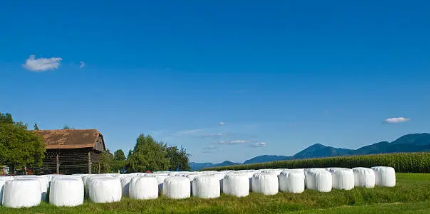
With Australia’s high UV exposure, variable rainfall, and long storage periods for feed, the performance characteristics of your wrap or sheet can directly impact dry matter retention and nutritional value. Selecting the right silage plastic is one of the most important decisions Australian livestock producers can make to preserve feed quality, reduce spoilage, and improve overall farm efficiency. This guide breaks down the key technical factors—thickness, UV stability, and stretch performance—so you can make an informed, cost-effective choice.
In modern silage systems across Australia, silage plastic is no longer a one-size-fits-all product. Instead, it is engineered in multiple grades to suit different bale types, storage durations, and climatic conditions.
Understanding Thickness: Why Microns Matter More Than Price
Thickness is typically measured in microns (µm), and it directly affects puncture resistance, oxygen barrier performance, and durability during handling.
For Australian conditions, common silage film thickness ranges include:
● 25 microns (standard stretch film): Suitable for short-term storage and low-risk environments
● 27–30 microns (premium bale wrap): Most widely used across beef and dairy operations
● 35 microns and above (heavy-duty bunker covers or high-risk storage): Designed for rough handling and extreme exposure
Thicker film reduces the risk of oxygen ingress, which is critical because even small tears can lead to mould growth and significant feed loss. However, thicker is not always better—overly rigid films may reduce stretch efficiency and increase material costs per bale.
Australian farmers should balance cost per roll with expected storage duration and handling conditions. In high-heat regions like Queensland and Western Australia, a heavier gauge is often justified due to increased UV stress and wildlife exposure.
UV Stability: The Key to Australian Weather Resistance
UV degradation is one of the fastest ways silage wrap fails in Australian farming environments. High levels of solar radiation break down polymer chains, making the film brittle and prone to cracking.
When evaluating UV protection, manufacturers typically rate film longevity in months of outdoor exposure. High-quality products may offer:
● 6-month UV resistance: Minimal storage buffer, best for fast feed-out systems
● 9–12 months UV resistance: Standard for most Australian beef and dairy farms
● 12–18 months UV resistance (premium grade): Ideal for long-term storage or remote paddocks
The effectiveness of UV stabilisation is particularly important in southern states like South Australia and Victoria during summer peaks, where exposure intensity can rapidly degrade lower-grade films.
A higher UV rating not only extends usable storage time but also protects fermentation quality by maintaining airtight integrity. Once film becomes brittle, microtears allow oxygen to penetrate, leading to heat buildup and nutrient loss.
Stretch Performance: Maximising Bale Coverage and Seal Integrity
Stretch capacity determines how efficiently the film conforms to the bale and how many bales you can wrap per roll. Most modern systems are designed for 50% to 70% pre-stretch, depending on machinery settings.
Key performance considerations include:
● Elastic memory: Ability to maintain a tight wrap after application
● Tear resistance under tension: Prevents snapping during high-speed wrapping
● Layer bonding: Ensures film layers stick together to form an airtight seal
Proper stretch is critical because under-stretched film creates air pockets, while over-stretched film can thin out and weaken, reducing protection. Australian contractors using high-throughput round balers often prefer films engineered for consistent stretch under variable temperature conditions.
High-quality silage plastic also incorporates tackifiers that improve layer adhesion, ensuring a uniform oxygen barrier across multiple wraps.
Oxygen Barrier Technology: The Invisible Performance Factor
Beyond physical durability, oxygen transmission rate (OTR) plays a major role in silage quality. Advanced multilayer films significantly reduce oxygen penetration compared to older monolayer plastics.
Lower OTR means:
● Faster anaerobic fermentation
● Reduced mould formation
● Improved retention of energy and protein content
For Australian dairy producers, where milk yield is closely tied to forage quality, oxygen barrier performance can have a direct economic impact.
Choosing the Right Film for Australian Conditions
Different regions in Australia demand different specifications due to climate variability:
● Northern Australia (QLD, NT): Prioritise UV resistance and puncture strength due to heat and wildlife exposure
● Southern regions (VIC, TAS, SA): Focus on oxygen barrier efficiency and moderate UV protection
● Arid inland areas: Emphasise heavy-duty thickness and multi-layer durability for wind and dust resistance
Farmers using bunker storage systems may also require reinforced silage sheets in combination with weighted covers for full surface protection.
Cost vs Performance: Finding the Right Balance
While premium-grade films cost more upfront, they often reduce overall feed loss by 5–15%, translating into substantial savings over a season.
Lower-quality film may appear cost-effective initially, but can lead to:
● Increased spoilage rates
● Higher labour for rewrapping or repairs
● Reduced feed conversion efficiency
Investing in higher-spec silage plastic is typically more economical over time, especially for large-scale Australian livestock operations.
Storage and Handling Best Practices
Even the best film can fail if handled incorrectly. Key practices include:
● Store rolls in shaded, cool environments
● Avoid direct sunlight exposure before use
● Check machinery tension settings regularly
● Inspect bales for punctures immediately after wrapping
Proper handling ensures the technical benefits of your chosen film are fully realised in the field.
Final Thoughts
Choosing the right silage film is a technical decision that directly influences feed quality, livestock performance, and operational efficiency. By carefully evaluating thickness, UV stability, stretchability, and oxygen barrier performance, Australian farmers can significantly reduce waste and improve silage quality.
In a climate as demanding as Australia’s, investing in the right silage plastic is not just a material choice—it is a feed preservation strategy that supports long-term farm profitability.


